Australian Street
Photography
One of the cities perched on the eastern seaboard of Australia is Sydney, clinging as if to its skirt. It has, without doubt, much to be said for it. There are the icons, of course: Opera House, Sydney Harbour Bridge, as well as its beaches. There is also some fine architecture. The people of this city, especially women, know how to dress well and they make classy subjects for street photography.
But Australian street photography is more than Sydney. It includes Melbourne, similar in size, and Brisbane with a warm, subtropical climate. Perth, Adelaide and Darwin will vie for your attention as well.
Melbourne has a vibrant food scene, notably in the CBD, Fitzroy and Carlton. These provide interesting street photography locales with a recognisably Australian atmosphere. If you're into street art (graffiti), Melbourne is well known for it, and its lanes offer engaging settings.
If you're looking for a city smaller than Sydney and Melbourne, head for Brisbane, or perhaps you are visiting there anyway. Because it's smaller, it doesn't have the breadth of street photography options - but it might still be worth a visit.
Adelaide's draw card is its sedateness, though some people consider it boring.
Where in Australia?
Who are These Australian Street Photographers?
Jesse Marlow
Jesse Marlow is a Melbourne based photographer and his works are held in public and private collections across Australia, including the National Gallery of Victoria; Australian Parliament House, Canberra, Monash Gallery of Art, City of Melbourne, and State Library of Victoria.
Marlow says he was first inspired to make street photography at age eight by the book Subway Art (1984), which documents the early history of New York City's graffiti movement. He subsequently documented graffiti in Melbourne during school holidays and continued to photograph graffiti for ten years. Marlow says he was primarily inspired at college by the work of photographers Robert Frank, Henri Cartier-Bresson and Alex Webb. More recently, Marlow was motivated by architecture and design, and the Australian painters Jeffrey Smart and Howard Arkley.
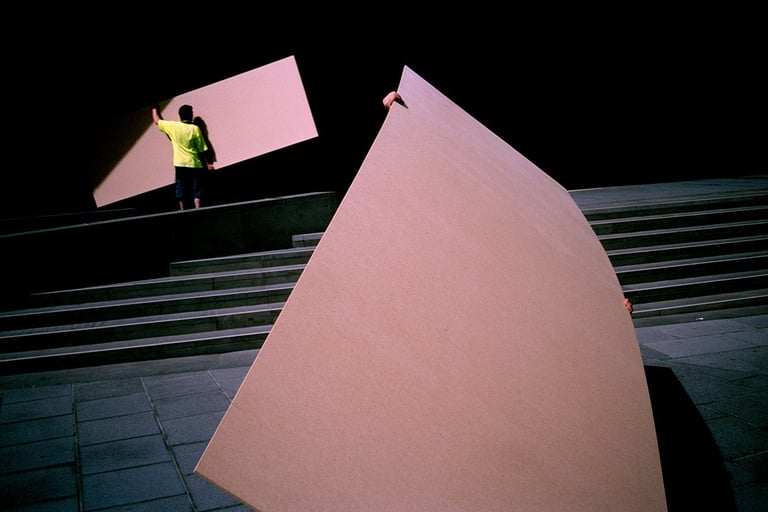
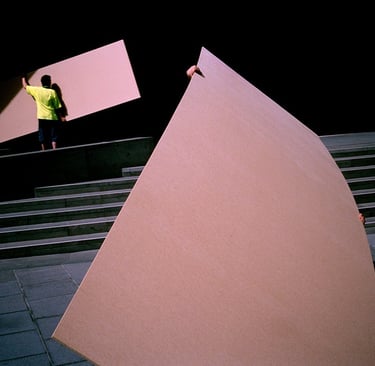
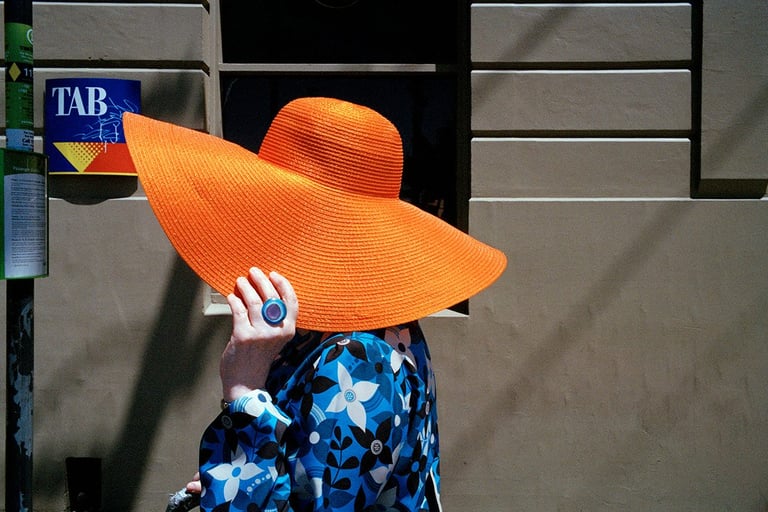
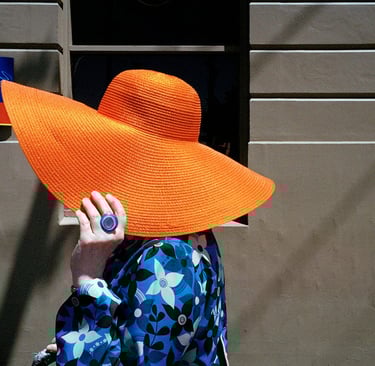
Photo by Jesse Marlow
Photo by Jesse Marlow
Julia Coddington
Julia’s work has been exhibited overseas and she has been a finalist in international street photography competitions. She has exhibited her work in Australia and internationally and has been featured in street photography magazines and interviewed on several photography podcasts. She is one of the top Australian street photographers.
Julia says "Street photography for me is like an addiction. And with any addiction there are highs and lows. It is also about inserting yourself into a situation and becoming invisible. Observing people, their interactions, shapes, movement, colours, light and shadows. It’s about ‘seeing’ these things and capturing them. What I love most is to lose myself in my invisibility and meld into the scene. It’s almost a fugue-like state, like I’m not there, or like a fly on the wall, or wearing an invisibility cloak. And this state is what fuels the addiction."
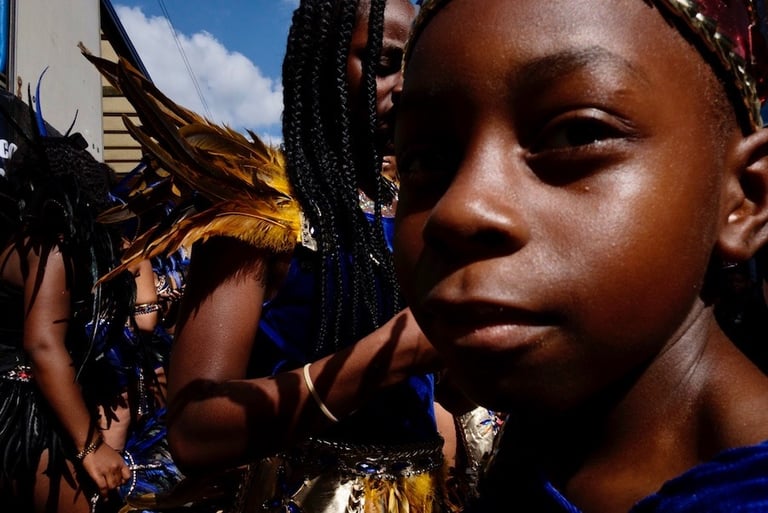
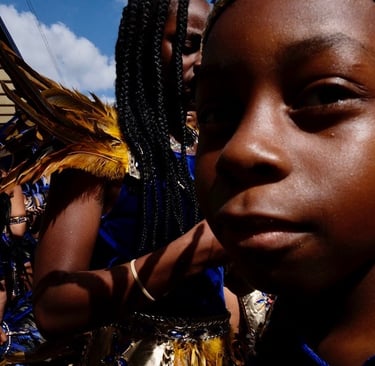
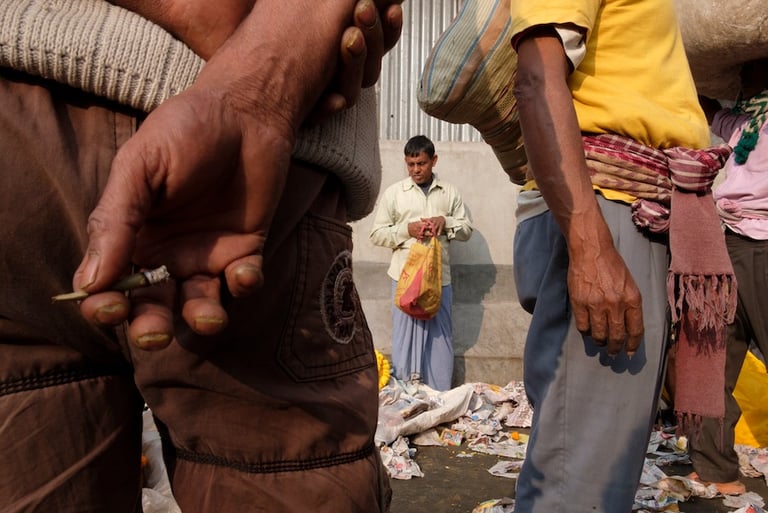
Photo by Julia Coddington
Photo by Julia Coddington
Trent Parke
Trent was born in 1971 and raised in Newcastle, north of Sydney, Australia. Using his mother’s Pentax Spotmatic and the family laundry as a darkroom, he started taking photos when he was about 12 years old. He began his career as a press photojournalist and, in 2007, became the first Australian to become a full member of Magnum Photos.
Magnum states that "Parke is one of the most innovative photographers of his generation. He is known for his poetic, often darkly humorous photography which offers an emotional and psychological portrait of his home country of Australia. Though rooted in documentary, his works sit between fiction and reality, exploring themes of identity, place and family life."
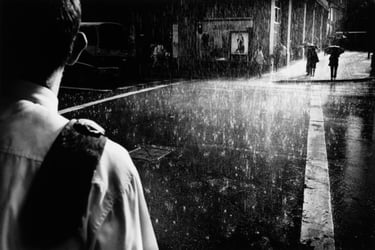
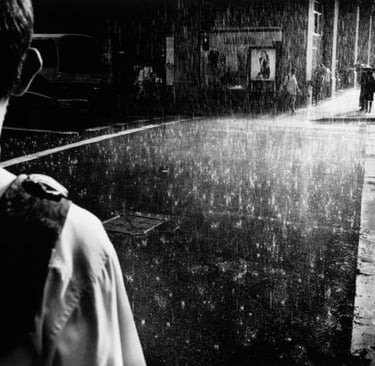
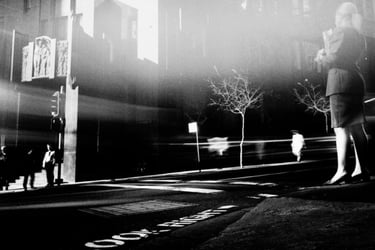
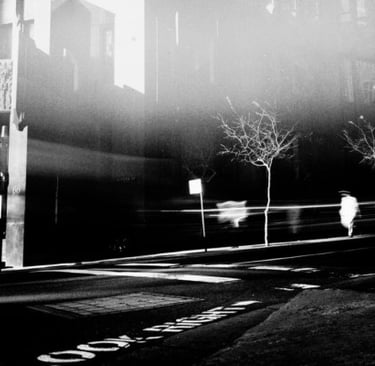
Photo by Trent Parke
Photo by Trent Parke
Portfolio
Showcasing our best photography work for you.
Contact
Follow
trevor.reeves@iinet.net.au
0401 054 534
© 2025. All rights reserved.